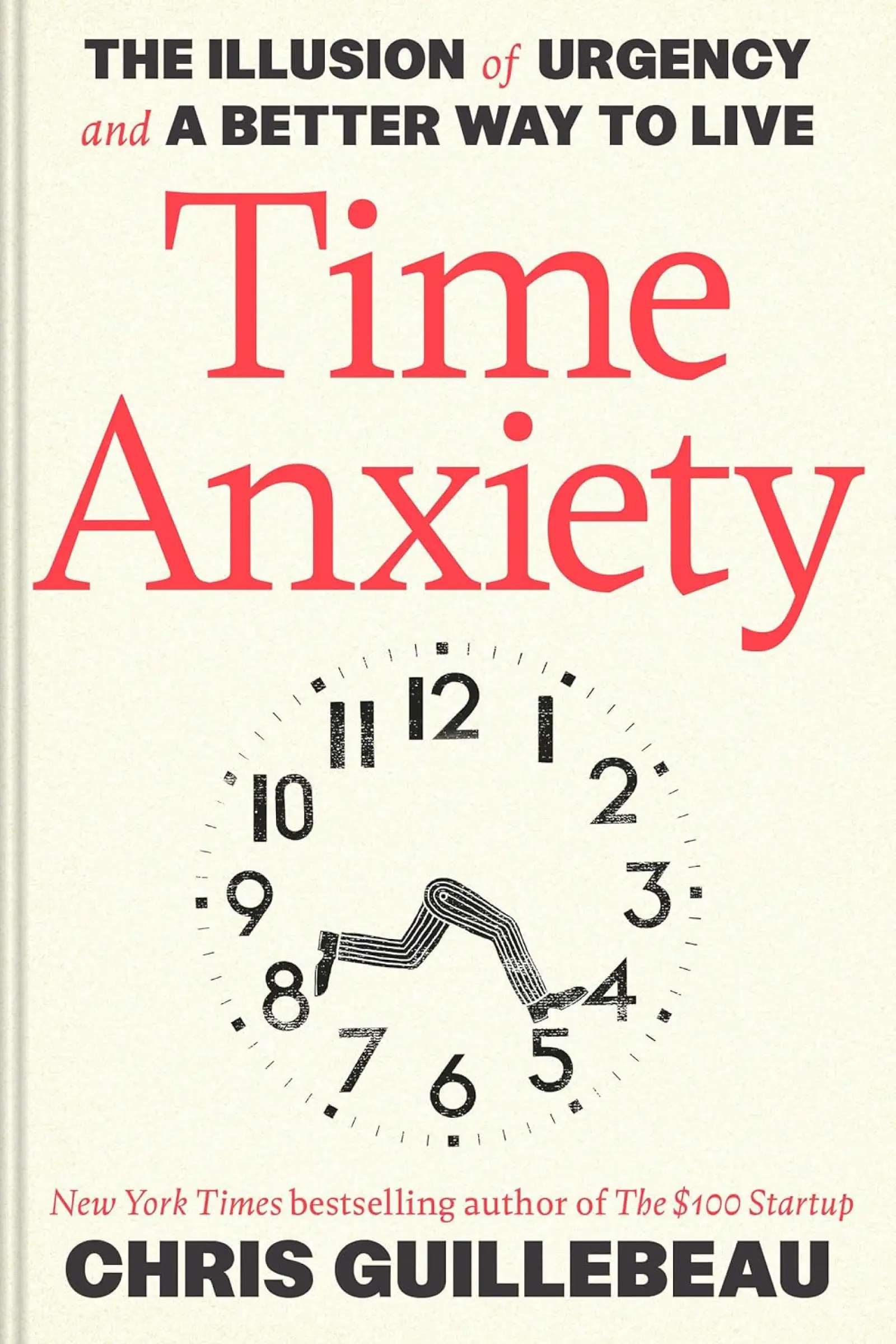
You wake up and the day is already behind. You haven't even had coffee yet, but there are 14 notifications on your phone, three emails marked "urgent," and a mental list of things that should have been done yesterday. Before your feet hit the floor, you're rushing.
By noon you've been productive—sort of. You've responded to things, rearranged things, put out small fires. But that gnawing feeling is still there. The sense that you're late for something you can't quite name. That whatever you're doing, you should be doing it faster.
This is the illusion of urgency. And it's running most of our lives.
The Illusion of Urgency — Definition
The illusion of urgency is the feeling that everything in your life needs to happen right now — when, in fact, almost none of it does. It's a learned response to an environment engineered to make ordinary inputs feel like emergencies. Your nervous system treats an unread email the same way it would treat a fire alarm.
Not Everything That Feels Urgent Actually Is

There's a difference between a real emergency and the feeling of emergency. A real emergency is your house on fire. The feeling of emergency is the pit in your stomach when you see 47 unread emails.
Your body doesn't know the difference. The same stress response that evolved to help you flee a predator now fires when your calendar is overbooked or someone leaves a passive-aggressive Slack message. Your nervous system treats a packed to-do list and a charging lion with roughly the same level of alarm.
The result is a life lived in permanent reaction mode. You're not choosing how to spend your time—you're constantly responding to what feels most pressing. And what feels most pressing is almost never what actually matters most.
This is what I call the illusion of urgency. It's a kind of time anxiety that disguises itself as responsibility. It feels productive. It feels necessary. But it's mostly just noise.
How We Got Here
Urgency wasn't always the default. Your grandparents didn't check their phones 96 times a day. They weren't expected to respond to messages within minutes. They didn't carry around a device specifically designed to interrupt them.
We do. And we've adapted to it—not by becoming more efficient, but by becoming more reactive. We've trained ourselves to treat every input as if it needs an immediate response. The ping, the badge, the "seen" receipt. Each one creates a tiny, artificial deadline. None of them are real.
But it goes deeper than technology. We also live in a culture that rewards urgency. Being busy signals importance. Being overwhelmed signals that you matter. "I'm so busy" has become a humble brag and a status marker. We don't just tolerate the rush—we've turned it into an identity.
And underneath all of it is something more personal: the fear that if you slow down, you'll fall behind. That everyone else is moving faster, doing more, getting ahead—and if you stop to breathe, you'll be left behind for good. That fear is the feeling of being behind in life, and it's the engine that keeps the illusion of urgency running.
Real Urgency vs Manufactured Urgency
The single most useful skill in a noisy life is distinguishing the two. They feel identical from the inside. They are not.
| Trigger | Real urgency | Manufactured urgency |
|---|---|---|
| Phone vibrating | A family member is in the hospital. | An app you forgot you installed wants your attention. |
| Email subject "URGENT" | Server is down and you're the only person on call. | Someone wants a meeting on their schedule, not yours. |
| Deadline | Contract closes Friday or the deal dies. | You set the deadline yourself, last week, when you were optimistic. |
| "Limited time" | The store is closing in 20 minutes and you need bread. | A countdown timer on a checkout page. |
| Social signal | Friend in crisis, calls at 2 a.m. | A peer posted a milestone and you feel a clock starting. |
The body can't tell them apart. Your job is to learn to.
The urgency isn't coming from the task. It's coming from you.
What It Costs You
When everything feels urgent, nothing gets the attention it deserves. You skim instead of reading. You react instead of thinking. You respond to the loudest demand, not the most important one. Your days feel full, but when you look back on them, you can't point to much that mattered.
There's a cognitive distortion at work here—catastrophizing. Your brain takes an ordinary situation and assigns it worst-case stakes. You don't just have a deadline; if you miss it, everything falls apart. You don't just have a choice to make; if you choose wrong, you've wasted irreplaceable time. Your mind treats every fork in the road as if your entire future depends on it.
Over time, this state of chronic urgency erodes something you can't easily get back: your ability to be present. You can't enjoy a Saturday when part of your brain is auditing the week. You can't have a conversation when you're mentally triaging your inbox. You're physically here, but your attention is always somewhere else—somewhere ahead, somewhere behind, somewhere urgent.
And the cruel irony is this: the urgency doesn't help you get more done. It just makes everything feel harder.
The Urgency Audit
Try something the next time you feel that familiar rush. Before you react, ask yourself one question:
Does this actually need to happen right now?
Not "would it be nice if it happened right now." Not "will I feel relief if I deal with it now." But genuinely: what happens if this waits an hour? A day? A week?
Most of the time, the honest answer is: nothing. Nothing bad happens. The email can wait. The decision doesn't need to be made today. The opportunity you're afraid of missing will either still be there tomorrow or it wasn't really yours to begin with.
This isn't about procrastinating or dropping the ball. It's about recognizing that your stress response isn't a reliable measure of what actually matters. Your body will scream "NOW" at things that could easily wait—because that's what it's built to do. Your job isn't to obey the alarm every time. It's to learn which alarms are real.
Where does your time anxiety show up most?
Take a 2-minute quiz to see whether you lean more toward big-picture worries, daily overwhelm, or both.
Take the QuizA Different Way to Move Through the Day
The alternative to urgency isn't laziness. It's intention. It's the difference between running because something is chasing you and walking because you know where you're going.
Pay yourself first. In personal finance, this means putting money into savings before you pay bills. Do the same with your time. Before you open your inbox, before you check your phone, before you give your first hour to someone else's priorities—do one thing that matters to you. Not urgent. Not required. Just important. The rest of the day will try to take over. Give yourself something first.
Do things poorly. This one sounds wrong, but hear me out. The illusion of urgency is often fed by perfectionism—the belief that if you're going to do something, you need to do it well, which means you need enough time, which means you never start. Break that cycle. A mediocre workout is better than no workout. A half-finished draft is further along than a blank page. Sometimes the most productive thing you can do is lower the bar.
Question your time rules. You're living by a set of unwritten beliefs about how time should be spent. Rules like "I should respond to messages within the hour" or "I can't relax until everything is done" or "A productive morning starts at 6 a.m." Where did those rules come from? Did you choose them, or did you absorb them? You can't break rules you haven't noticed.
Let things not be urgent. This is the hardest one. Practice saying "This can wait" and sitting with the discomfort. The urgency you feel isn't going to disappear the first time you ignore it. But every time you pause instead of reacting—every time you prove to yourself that the sky doesn't fall—you loosen its grip a little more.
The illusion of urgency wants you to believe that speed is the answer—that if you just move fast enough, you'll finally catch up. But you won't. Because the finish line isn't real. There's no moment where everything is done, where you're finally on top of it all, where you can relax.
The only way to stop rushing is to decide, right now, that you're not behind. You're here. This is where you start. And it doesn't have to be an emergency.